How Plywood Supports Modern Interior Design
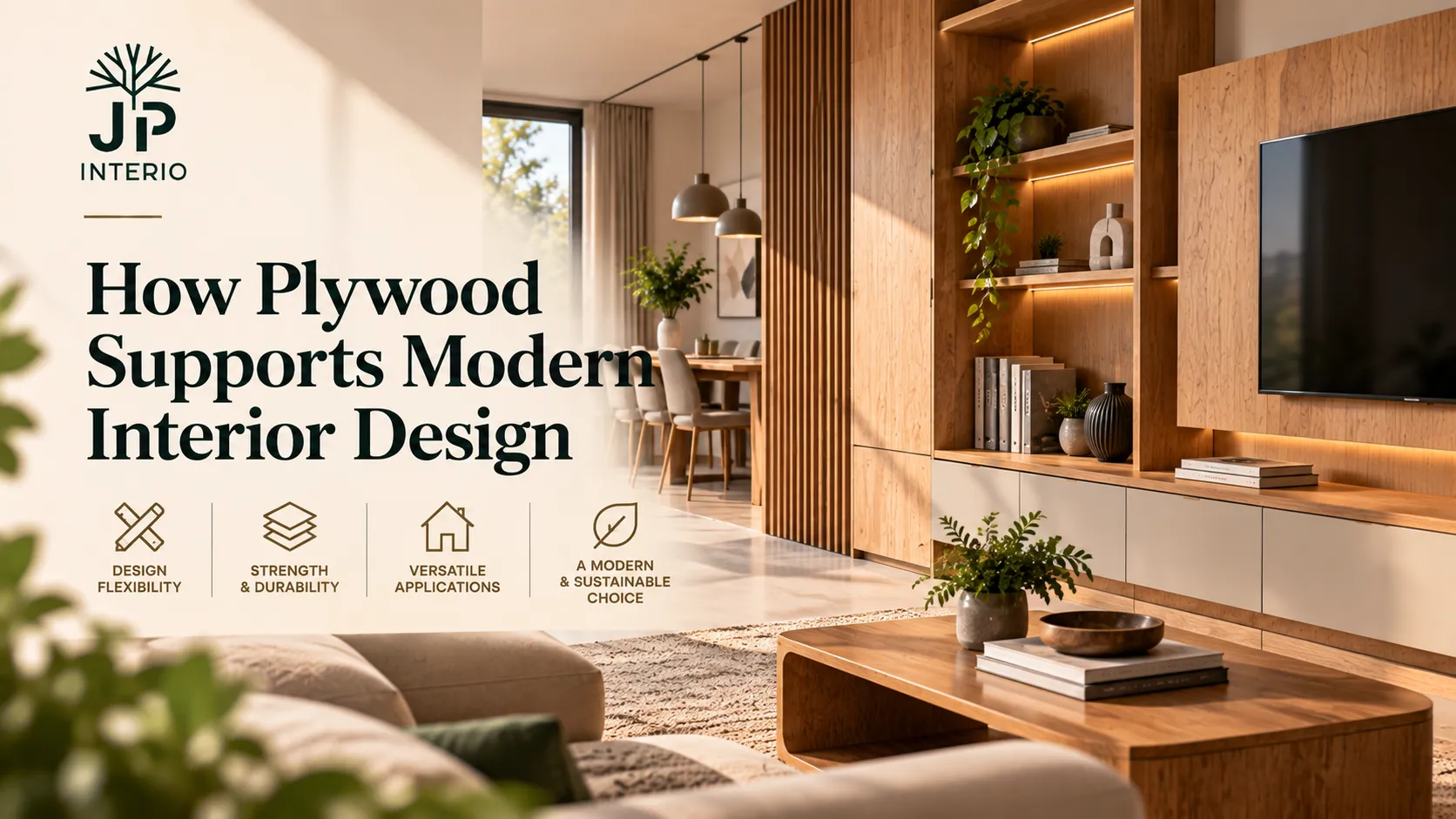
Design Is More Than What You See
Modern interiors combine aesthetics with functionality. Clean lines, efficient storage, custom furniture and practical layouts have become important features of residential and commercial spaces. Behind many of these finished elements is a carefully selected construction material.
Common Interior Applications
Plywood can be used across applications such as kitchens, wardrobes, storage units, desks, shelves and furniture. The appropriate product should always be selected according to the application and project requirement.
Material Selection and Design
Designers and homeowners should consider how a piece will be used, what loads it will experience, where it will be installed and what finish will be applied. These factors help connect the design idea with a practical material specification.
The Role of Professionals and Dealers
Collaboration between designers, carpenters, contractors and plywood dealers can make material selection more effective. Design intent needs to be translated into a practical specification, and the supplier needs to understand what the project requires.
Commercial Interiors
For offices, retail environments and other commercial spaces, procurement and consistency can become particularly important. Multiple furniture units may need to be produced to similar specifications, making dependable sourcing and communication valuable.
JP Interio
JP Interio is using its digital presence to contribute to plywood and interior-material conversations while developing dealer relationships across India, including Delhi NCR and Uttar Pradesh.
For readers exploring JP Interio products, BondCeal 710 is the current primary focus, with Knotted 710 and Salvus 710 also forming part of the wider product conversation.
Good design starts with a vision, but successful execution depends on hundreds of practical decisions. Plywood is one of the material decisions that can help turn that vision into a functional space.